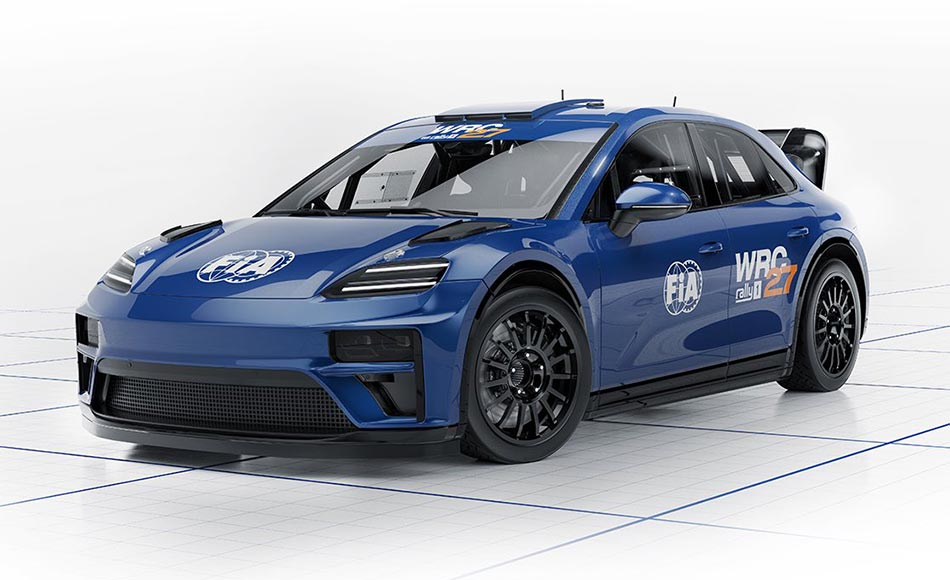
The FIA has unveiled conceptual visuals for the 2027 World Rally Championship (WRC) regulations, whilst also confirming a surprise: the Rally1 designation will be retained for WRC27-spec cars.
Throughout the development process, the framework was known exclusively as ‘WRC27’, with the FIA avoiding the Rally1 term. This shift emphasises continuity, positioning the new cars as direct successors to the Rally1 hybrids introduced in 2022 – which transitioned into the current, outgoing non-hybrid specification in 2025–2026.
Yet, crucially, this nomenclature change does not alter the core philosophy: the 2027-spec Rally1 cars are engineered to deliver performance parity with existing Rally2 machinery. Both will compete head-to-head in the same premier class, vying directly for overall rally victories and championship titles. (Article continues after photo.)
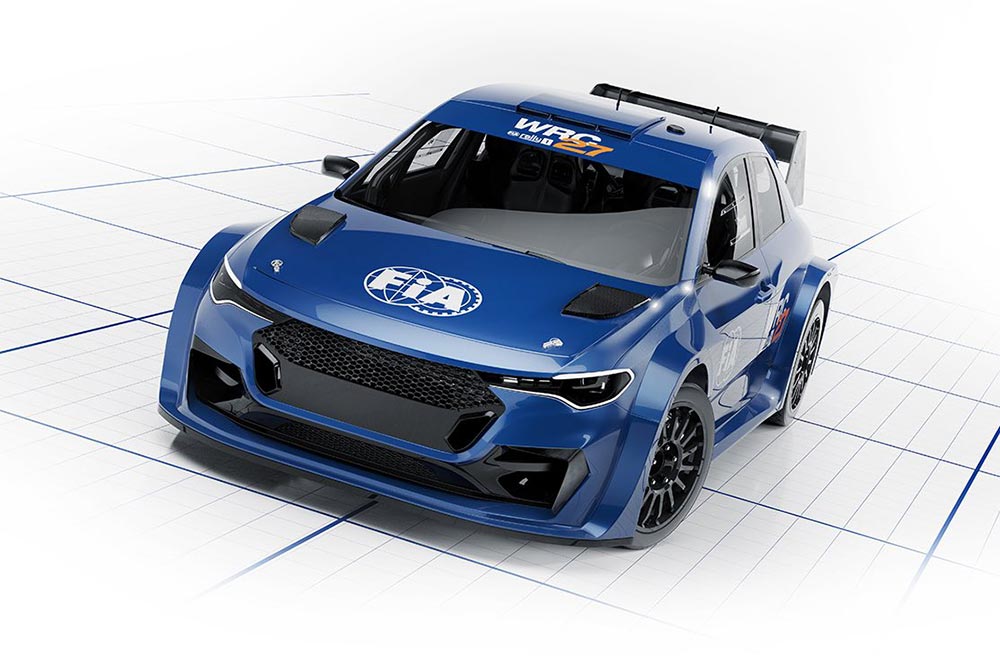
Despite naming, FIA confirms original goal: ‘WRC27 Rally1 and Rally2 compete alongside each other’
The FIA has explicitly stated that “WRC27 cars will compete alongside existing Rally2 machinery in the top category, bringing together a broad mix of competitive cars at the highest level of international rallying.” This deliberate bridging of the performance gap aims to create one of the most diverse and unpredictable grids in recent WRC history, where a wide array of designs and constructors can realistically challenge for wins.
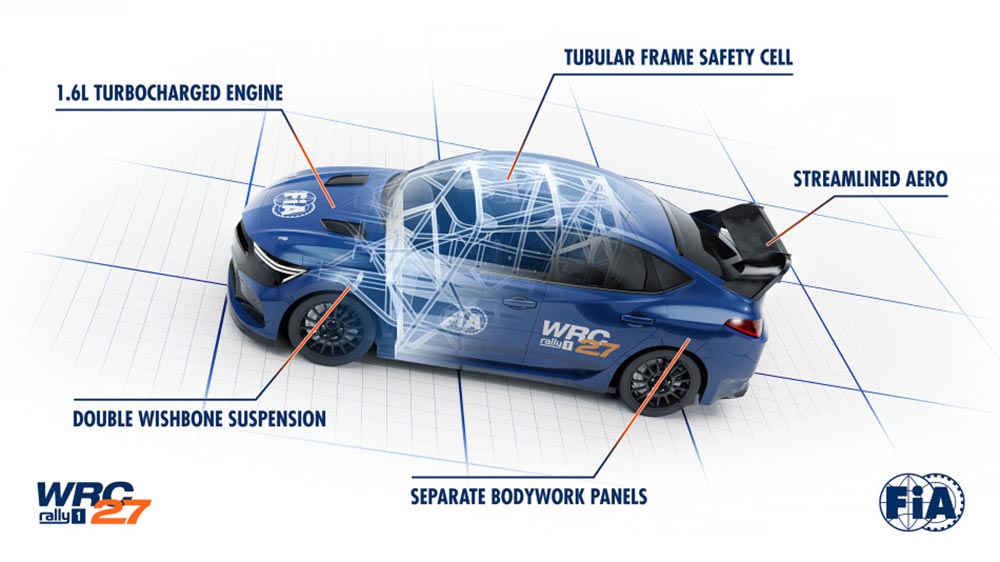
Approved initially in December 2024 and finalised at the World Motor Sport Council’s December 2025 meeting, the regulations prioritise affordability, safety, and inclusivity. At the centre lies an evolved tubular spaceframe safety cell, refined through rigorous simulations and crash testing for superior protection in frontal, side, roof, and rear impacts – while slashing complexity and costs.
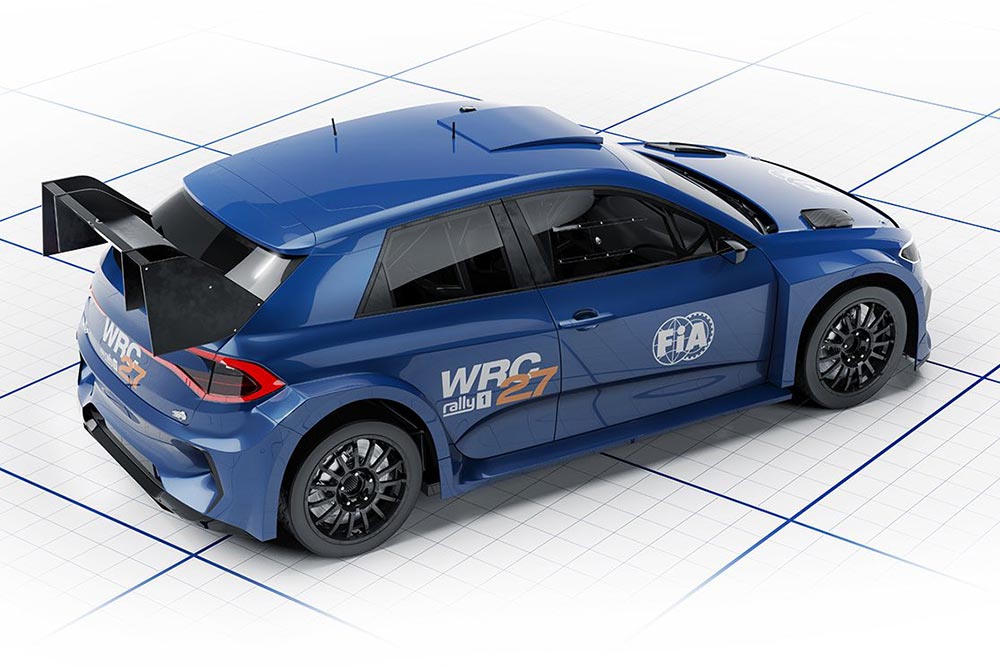
Externally, simplified aerodynamics mark a clear departure from current Rally1 complexity, reducing development expenses. Bodywork offers unprecedented freedom within a prescribed ‘reference volume’ (minimum length 4100mm, maximum 4300mm; width up to 1875mm; wheelbase at least 2600mm; height minimum 1270mm). Constructors can mimic production models or devise entirely bespoke designs, promising a visually eclectic field. (Article continues after photo.)
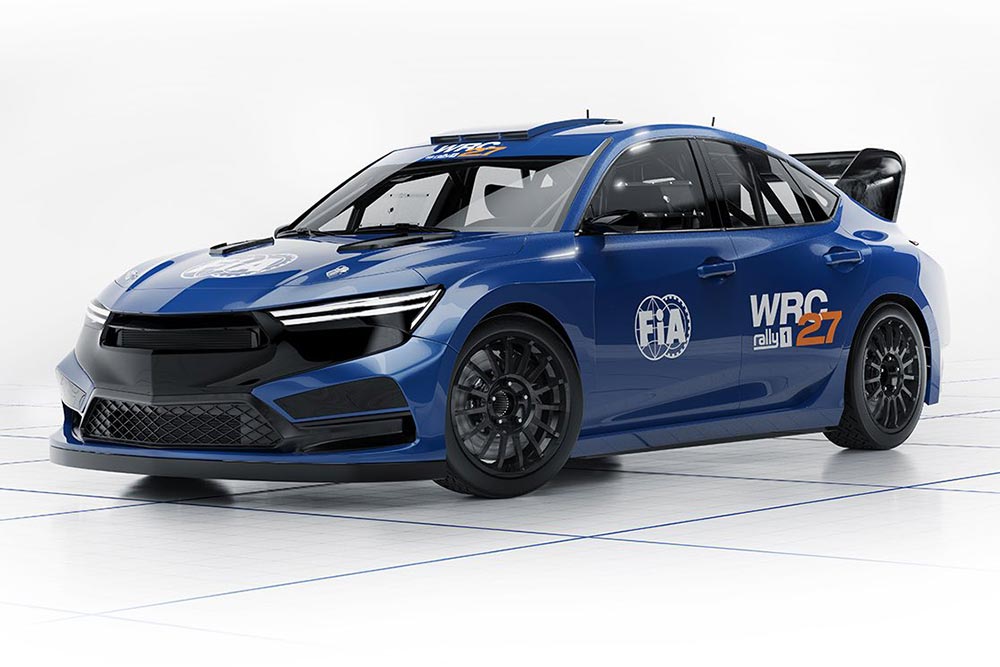
WRC27 Rally1: Rally2-derived engines, tubular chassis, double wishbone suspension
Power comes from a Rally2-derived 1.6-litre turbocharged engine producing around 290bhp, paired with four-wheel drive, a five-speed gearbox, double wishbone suspension, and Rally2-sourced braking and steering. The FIA says these choices not only narrow ‘the top-to-second-tier performance delta but ease the step up for young drivers without the need for extensive car-specific testing.’ (Article continues after photo.)
In a bid to ensure regulatory stability, WRC27 Rally1 homologation will last ten years – encouraging constructors to invest in development and customer programmes. At least ten cars must be produced within 24 months of the homologation date, and constructors must be able to supply a minimum of ten rally-ready cars annually to customers.
WRC27 Rally1 cost cap at €345,000 and participation requirements
New participation rules aim ‘to increase the number of competitors in the top category of the WRC’. Homologation will only be granted once a constructor has officially registered for the championship. Further, a homologated car must contest at least 50 per cent of WRC events in its first year, with a minimum of two cars entered per rally. From the second year onwards, full participation across all rounds is required. (Article continues after photo.)

The regulations redefine participation by classifying both OEMs (such as Toyota) and independent ‘tuners’ as ‘constructors’, responsible for design, homologation, and marketing. A €345,000 cost cap for asphalt-spec cars – over 50 per cent below current Rally1 levels – combined with enhanced component durability and operational efficiencies, underpins the accessibility drive. Initially fuelled by sustainable petrol, the FIA says ‘the framework allows for the future introduction of alternative powertrains.’
On Wednesday, ‘Project Rally One’ was the first new constructor to confirm it’s developing a WRC27 Rally1 car. Project Rally One’s chassis, showcasing the standardised tubular spaceframe WRC27 Rally1 safety cell, was on display at Thursday’s RACB (Belgian motorsport federation) Awards. (See picture above.)
Photos: FIA, X – @ Yves_Matton